
Boiling vs. Filtering Water: Which Is Safer for Drinking?
If boiling water can make it safer to drink, why do we need a filter at all?
It is a fair question, especially when boiling costs little and is already a familiar practice in many Pakistani households.
Boiling and filtration can all make water safer, but each works differently, targets different contaminants, and are not interchangeable.
The right choice depends on what is in the water and what kind of protection you need.
This guide breaks down how boiling and filtration works, what each method can remove and the right, suitable solution for safe drinking.
What Boiling Tap Water Removes
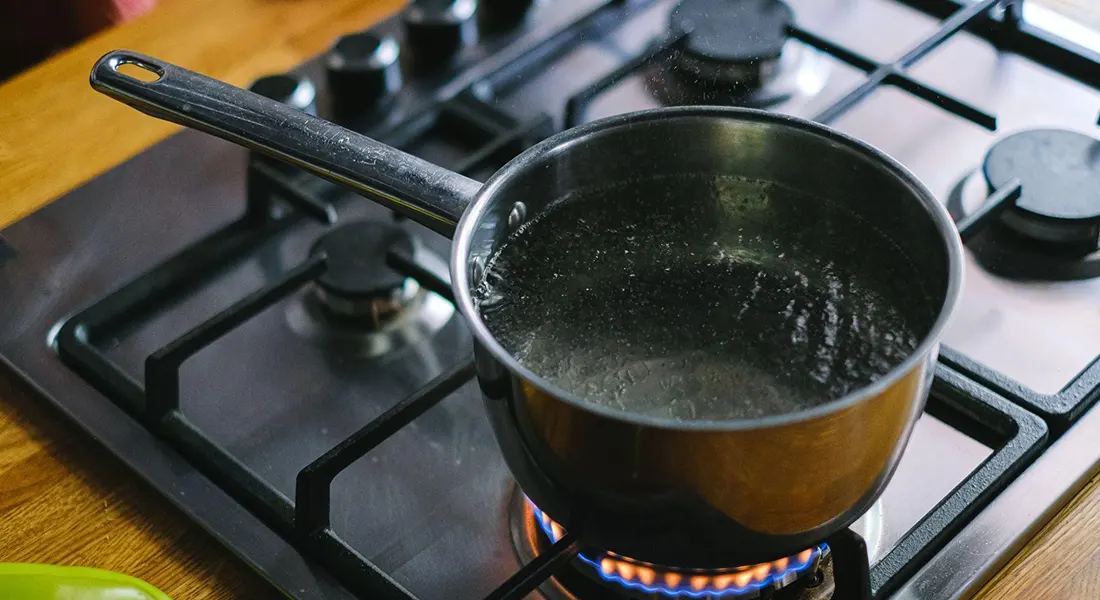
Boiling is one of the oldest ways to make drinking water safer. Bringing water to a rolling boil can kill or inactivate many common bacteria, viruses and parasites. This is the reason it is often advised during emergencies or when a boil-water advisory is issued.
Is Filtration the Right Choice?
Filtration works differently from boiling. Instead of using heat to inactive microorganisms, a filter passes water through a material or membrane that can physically remove certain contaminants.
What a filter can remove depends on the technology.
Membrane-based filters can target bacteria and parasites, while activated carbon is commonly used to improve the taste and reduce certain chemicals.
This means a filter should be chosen according to the specific contaminants in the water, not simply because it is a filter.
Want to Understand How Water Filtration Works?
Learn how different filtration technologies work and understand which type of filtration may be suitable for different water-quality concerns.
How Does a Water Filter Actually Work? →Benefits of Filtration
- Filtration is fast, convenient, and easy to use.
- Many filters also include activated carbon, which can help improve taste and reduce certain chemicals like chlorine, depending on the filter.
- It can address both biological contaminants, and in some cases particles like microplastic and sediments.
Not All Water Filtration Is the Same
Every water filter does not remove the same contaminants.
Standard portable microfilters, including those with a 0.2-micron membrane, are highly effective against bacteria and parasites, but they do not remove viruses.
Which Water Filter Do You Need?
The next step is choosing the right tool for your situation. What matters is matching the solution to the level of risk in the water.
In Pakistan's backcountry environment, the main concerns are bacteria, parasites and particulates in water. For that a high-quality microfilter is typically the right tool. It is fast and easy to use.
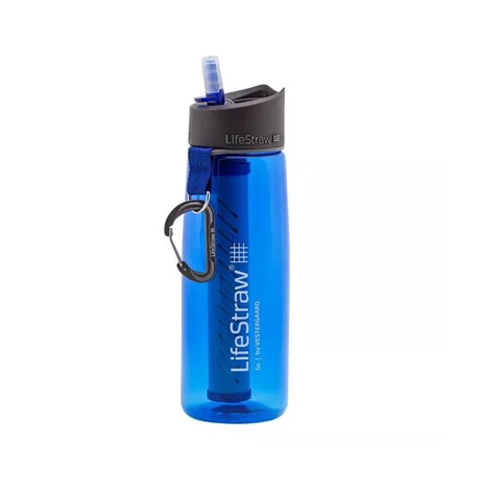
LifeStraw Go & Peak Series
LifeStraw options such as the Go Series or Peak Series have high quality microfilter design, making them a practical choice for hiking, travel within developed regions, or daily carry.
In Pakistan's backcountry environment, the main concerns are bacteria, parasites and particulates in water. For that a high-quality microfilter is typically the right tool. It is fast and easy to use.
View Product →
LifeStraw Mission & Family
If you’re travelling within Pakistan or dealing with uncertain sanitation, the risk may extend beyond bacteria and parasites to include viruses.
In situations where broader microbial protection is needed, products such as the LifeStraw Family are designed for higher-capacity water treatment.
View Product →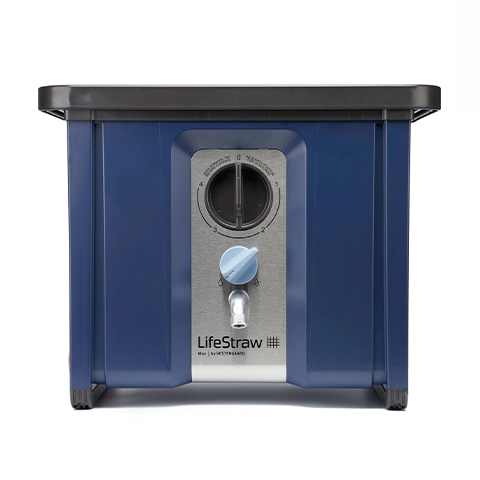
LifeStraw Home
If your concern is your home tap water.
Tap water is a different category altogether. Concerns like lead, PFAS, and chlorine aren’t addressed by boiling, and they require filtration designed specifically for those types of contaminants.
That’s where LifeStraw Max products come in, which are built for everyday use in the kitchen.
View Product →Choosing the Right Water Treatment Method
A Multi-Barrier Approach
In some situations, people choose to use more than one method. This kind of “multi-barrier” approach can add flexibility, especially in remote travel or emergency scenarios.
But in many cases, choosing the right primary tool for your environment is enough.
Depending on the situation, boiling and filtration all have a place. What matters most is understanding what kind of water risk you’re dealing with and choosing the tool that actually solves that problem.
Find the Right LifeStraw Solution
Explore LifeStraw water filtration solutions available from Ara International for travel, household and higher-capacity water treatment needs.
Explore LifeStraw Products →FAQs
No. Boiling can make water safer by killing or inactivating many harmful microorganisms, but it does not remove every type of contaminant. Chemicals, heavy metals, salts, and other dissolved substances can remain in the water after boiling.
Boiling can be very effective against bacteria, viruses, and parasites, but it doesn’t remove chemicals, heavy metals, or particles. A filter or purifier may be more practical depending on your situation.
Some LifeStraw products are designed to remove or protect against viruses, while others are not. Products designed as purifiers provide this level of protection, while microfilter-based products do not.
If you’re dealing with higher-risk situations, such as international travel or emergencies where water quality is uncertain, a purifier is the more appropriate choice.
It depends on the environment. In lower-risk settings, a microfilter may be sufficient. In higher-risk or uncertain conditions, a purifier, or a combination of methods, may be more appropriate.
The Right Method Depends on the Water
Boiling and filtration can both play an important role in making water safer, but they solve different problems. Boiling is primarily focused on biological contaminants, while filtration technology can be selected according to the specific contaminants and water-quality concerns.
Understanding what is in the water first can help you choose the treatment method that best matches your environment, whether you are at home, travelling, hiking or dealing with an emergency.